Tactical FPS Gaming Journal is an independent publication focused on the games, systems, and design choices that shape competitive first-person shooters. We look beyond individual matches to examine how maps, weapons, teamwork, distinctive mechanics, and ongoing development influence the way these games are played.
Our goal is to make tactical FPS topics easier to understand for both experienced players and readers who simply want to learn more about the genre. Rather than concentrating only on rankings or individual results, we explore the ideas behind competitive shooters and how those ideas develop over time.
What We Cover
Competitive FPS games combine mechanical skill with communication, positioning, information gathering, and fast decision-making. Small differences in weapon balance, map layouts, objectives, or team composition can change how an entire match unfolds.
Our coverage looks at these elements individually while also showing how they work together. We also examine the development process behind multiplayer games, including testing, launches, updates, seasons, and the challenges involved in maintaining a competitive title.
Maps, Weapons, and Tactical Systems
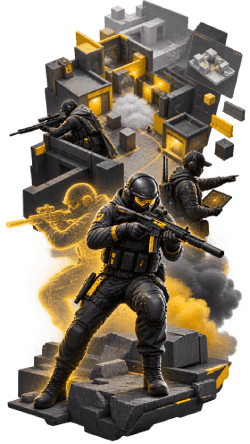
Map and weapon design are central to the identity of any tactical shooter. We explore how sightlines, chokepoints, routes, objectives, vertical spaces, recoil patterns, movement, and weapon classes influence player decisions. These subjects are considered from a broader design perspective rather than as simple lists of tips. We also look at unusual mechanics that encourage players to approach familiar FPS situations in new ways.
Competitive Play and Teamwork
Individual accuracy matters, but tactical FPS games are rarely decided by aim alone. Communication, role distribution, rotations, utility use, positioning, and adapting to opponents all contribute to successful team play. Our articles examine these parts of competitive matches as well as ranked systems and the different ways games structure progression.
FPS Development and Gaming History
Competitive games continue changing after release. Testing phases, balance updates, new content, technical improvements, and player feedback can reshape a title significantly. We cover this development cycle while also documenting notable games and ideas from recent FPS history.
Spectre Divide has a particular place within that coverage. Its 3v3 format, Sponsor system, and Duality mechanic offered a distinctive interpretation of tactical FPS design. By documenting games such as Spectre Divide alongside wider genre developments, we aim to preserve useful context around how competitive shooters experiment, evolve, and sometimes leave a lasting influence even after active development ends.